


Dental X-rays are images that show what a dental exam cannot: decay between teeth, bone loss, infection at the root of a tooth and teeth that have not come in. Northalsted Dental Spa in Lakeview, Chicago takes digital X-rays when your exam calls for them. Most patients have them about once a year, and healthy adults may go 12 to 36 months between sets.
If you are searching for dental X-rays near me, our office at 3710 N Halsted St serves patients from Lakeview, Wrigleyville, Boystown, Buena Park, Uptown, Andersonville, Edgewater and Rogers Park.
Understanding Dental X-Rays: Essential Dental Imaging
At Northalsted Dental Spa, we want our patients to understand their dental care. Some of the most common questions we get concern dental X-rays. Patients want to know about their safety and value in maintaining good oral health. Let’s explore everything you need to know about this crucial diagnostic tool.
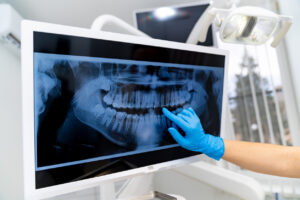
What Are Dental X-Rays and Why Do We Need Them?
Dental X-rays are sophisticated imaging tools that allow us to see what’s happening beneath the surface of your teeth and gums. They are used in all types of dentistry, from general dentistry to cosmetic dental care. X-ray images reveal potential problems that aren’t visible during a regular dental exam.
Through X-rays, we can detect hidden decay between teeth and under existing fillings, as well as identify bone loss associated with gum disease. They also help us find abscesses or cysts that may be growing beneath the gumline. X-rays are crucial for detecting abnormal growths or tumors. We also use them to identify problems with root canals, see changes in bone density, and evaluate the position of teeth and roots.
How Often Should You Get Dental X-Rays?
How often dental X-rays are taken depends on your personal oral health needs. While some patients may need X-rays every six months, others might go several years between imaging sessions. At Northalsted Dental Spa, we determine X-ray frequency based on:
- Your current oral health
- Your dental history (i.e., frequency of cavities or gum disease)
- Age and risk factors
- Symptoms or signs of dental issues
- Monitoring needs for ongoing dental treatments
For most healthy adults with good oral hygiene and no recent dental problems, dental X-rays are typically recommended every 12 to 36 months. Children and teenagers may need more frequent X-rays to monitor tooth development and catch potential problems early. If you or your child is undergoing orthodontic care, regular digital X-rays may be a part of the treatment plan.
Is It Safe To Get Dental X-Rays Every Year?
Patient safety comes first at Northalsted Dental Spa. Modern dental X-rays use extremely low doses of radiation and are considered very safe, and digital X-rays use less radiation than traditional film. Our team can go more in-depth about our X-ray technology when you come in for an appointment. We want to make sure that you feel comfortable while receiving treatment.
We use state-of-the-art technology to provide personalized dental services. We understand that some patients may have concerns about dental X-rays. Our team is always happy to discuss your thoughts and questions. We can explain the reasons why X-rays are being recommended for your situation and explore alternative diagnostic options when appropriate.
What to Expect When You Get Dental X-Rays
Dental X-rays are taken during your exam and usually take about 10 to 15 minutes. A small digital sensor is placed in your mouth or the machine moves around your head, you hold still for a few seconds, and the image appears on a screen so Dr. Griffin can review it with you right away. You do not need to prepare for X-rays. Let us know if you are or may be pregnant before any images are taken.
Identifying Cavities On Dental X-Rays
One of the primary purposes of dental X-rays is detecting cavities, especially in areas that aren’t visible during a regular exam. On X-rays, cavities appear as darker spots or shadows within the tooth structure, which is why an X-ray of a decayed tooth often shows decay well before it causes pain.
Our experienced dental team uses these images to identify problems at their earliest stages. We are able to detect cavities before they become problematic and assess size and depth to determine the most appropriate treatment. This medical imaging also allows us to monitor previous dental work, ensuring comprehensive care.
Root Canal and Wisdom Tooth X-Rays
X-Ray of an Infected Tooth Needing a Root Canal
When the nerve of a tooth is infected, an X-ray often shows a dark area at the tip of the root where the infection has spread into the surrounding bone. Images taken before and after treatment let us check that the roots were cleaned and filled completely. If your X-ray shows an infected tooth, root canal treatment can relieve the pain and save the tooth, and if you already have a toothache, call us about dental emergencies.
X-Ray of an Impacted Wisdom Tooth
A wisdom tooth is impacted when it cannot fully come in, usually because the tooth in front of it or the jawbone is in the way. A panoramic X-ray shows the wisdom teeth, the jaw and the nearby nerve in one image, which helps Dr. Griffin explain what is happening and what your options are.
Types of Dental X-Rays
There are several types of dental X-rays, each providing unique views of your teeth, roots, and jawbone. Understanding the X-rays you might receive can help you feel more comfortable and informed when your dentist recommends imaging.
Intraoral X-rays
These X-rays are taken with the film or sensor inside your mouth. They are the most common type used during routine dental check-ups.
- Bitewing X-rays capture images that help detect cavities between teeth and issues below the gumline.
- Periapical X-rays are used to identify abnormalities and decay near tooth roots and the jawbone. They can help locate abscesses, gum disease, or bone loss.
- Occlusal X-rays show a wide view of the roof or floor of the mouth and a substantial portion of the dental arch. They can help find issues like extra teeth, impacted teeth, abnormal growths, and fractures. Dentists often use these X-rays to evaluate children’s dental arches and developing teeth.
Extraoral X-rays
These X-rays are taken with the film or sensor positioned outside your mouth. They provide a broader view of your teeth, jaws, and facial bones.
- Panoramic X-rays capture all upper and lower teeth, both jaws, and surrounding structures in a single image, so they are often used to check wisdom teeth and plan treatment.
- Cephalometric X-rays show a detailed side view (lateral view) of the head, including the skull, jaws, teeth, and surrounding craniofacial structures.
- A CT scan can show 3D images of the jaws, nerves, teeth, and sinuses. This 3D dental X-ray, sometimes called a 3D tooth scan, is used when a standard X-ray cannot show enough, such as when planning dental implants. Most routine care relies on bitewing and periapical images instead.
Why Different Types Matter
Each type of dental X-ray offers a specific perspective that helps your dentist make accurate diagnoses. Using the right type of X-ray ensures your dental treatment is precise and personalized to your needs.
Making Informed Decisions About Your Dental Care
Here at Northalsted Dental Spa, we understand how important it is to stay on top of your dental health. This will sometimes include receiving dental X-rays. We will always consider your individual needs and concerns when determining the right treatment plan for you.
Remember, X-rays are an essential diagnostic tool that helps us provide thorough care for your smile. By detecting problems early, we can often prevent more serious issues and offer more conservative treatment options. Fast action helps avoid the need for more costly procedures and preserves your natural teeth.
Cost of Dental X-Rays in Lakeview
The cost of dental X-rays depends on the type of images, how many are needed, and whether they are taken as part of a new patient exam or a routine check-up. Many dental insurance plans cover some X-rays each year, so check your plan before you book. Financing is available for those who qualify, and our specials page lists any current offers for new patients.
Dental X-Rays Near Lakeview, Wrigleyville and Boystown
Located in the Northalsted district of Lakeview, Northalsted Dental Spa is at 3710 N Halsted St, Chicago, IL 60613, just a few blocks from Wrigleyville. The Addison Red Line station is about a 10-minute walk away, and the 8 Halsted bus stops nearby, making it easy to plan a visit from Boystown, Buena Park, Uptown, Andersonville, Edgewater or Rogers Park. We offer daytime and evening appointments, with Saturday visits available by appointment. Please check our contact page or call us for current office hours and availability.
Contact Us
Call us at Northalsted Dental Spa at (773) 296-0325 or contact us online to schedule an exam and dental cleaning. Our experienced team will work with you to determine the appropriate frequency of dental X-rays. Our goal is to ensure you receive effective dental care in a safe, inclusive environment.
Frequently Asked Questions About Dental X-Rays
What is the difference between digital and traditional dental X-rays?
Digital X-rays use an electronic sensor instead of film. They use less radiation, appear on screen within seconds and are easier for the dentist to enlarge and review with you.
What is a panoramic dental X-ray?
A panoramic X-ray is a single wide image of all your upper and lower teeth, both jaws and the surrounding structures. It is often used to look at wisdom teeth, the jaw joints and the overall layout of your mouth. Ask Dr. Griffin at your exam whether one would help in your case.
Is a 3D dental X-ray different from a regular X-ray?
Yes. A 3D dental X-ray is a CT scan that shows the teeth, jaws and nerves in three dimensions rather than a flat image. It is used for situations such as implant planning, while most routine care relies on standard bitewing and periapical X-rays.
Can I bring X-rays from my previous dentist?
Yes. Bring them to your first visit or ask your previous dentist to send them before you arrive. Dr. Griffin can review them and tell you whether you need new ones. You can also complete the new patient form online ahead of time.